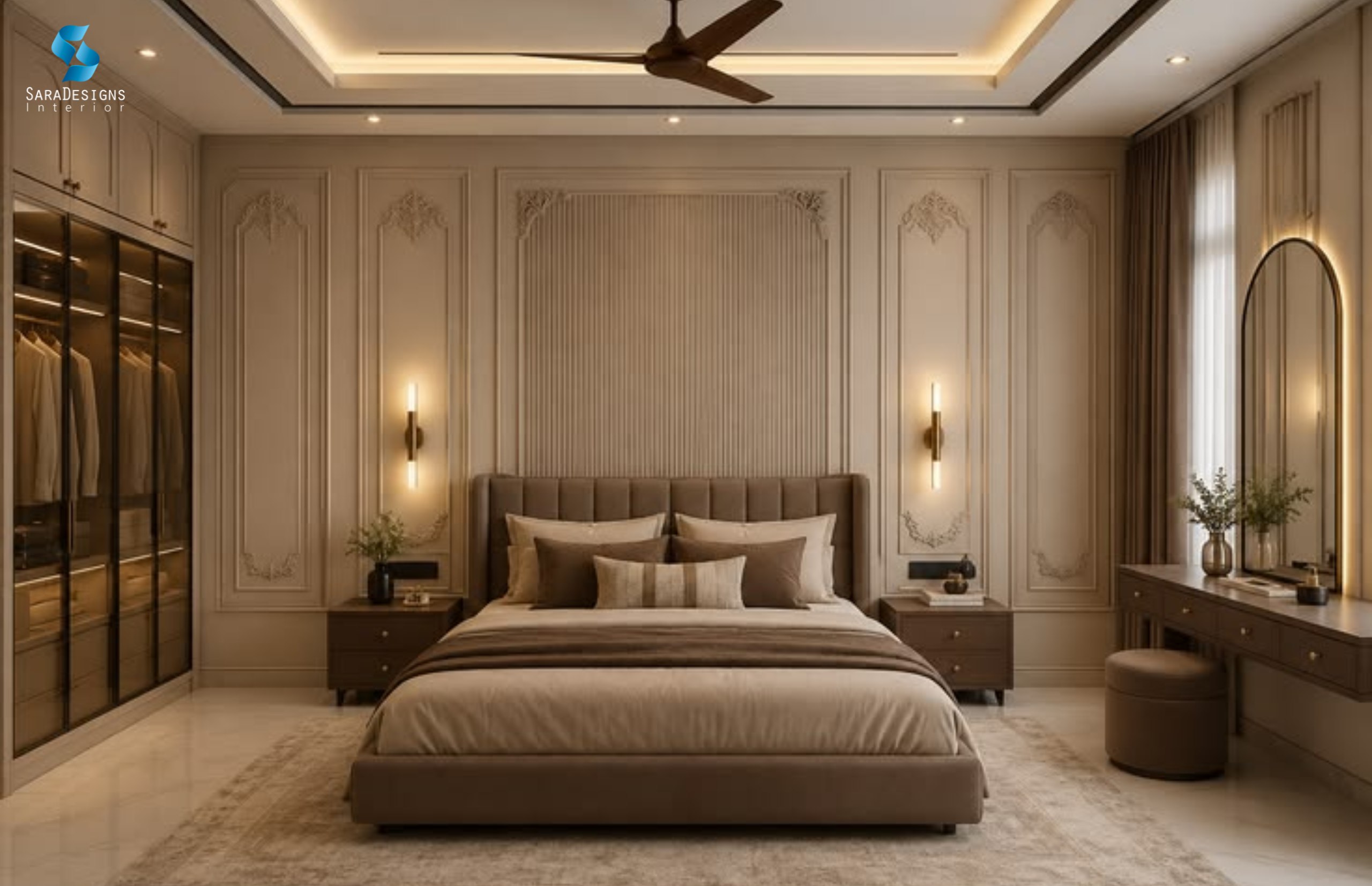
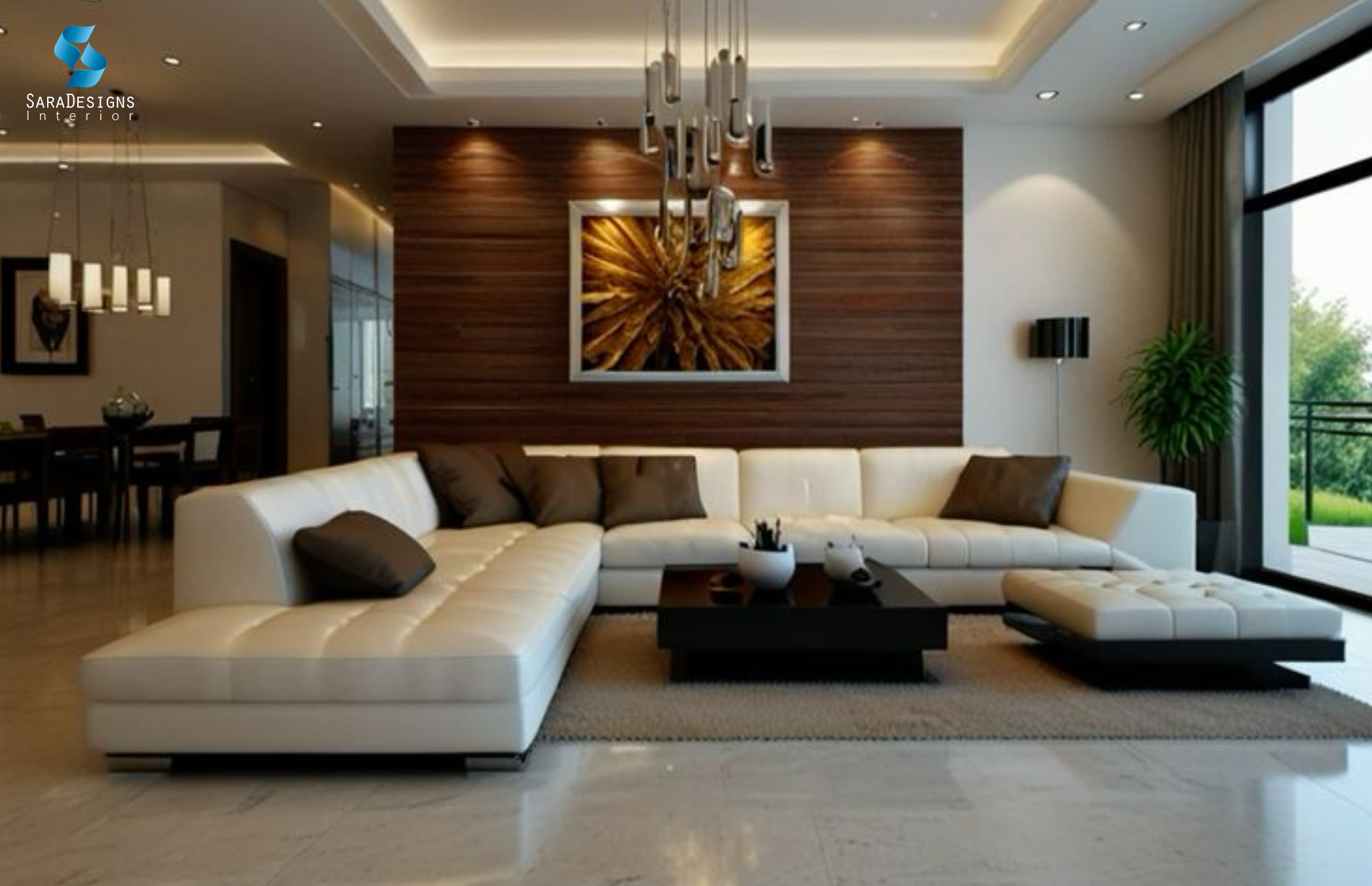
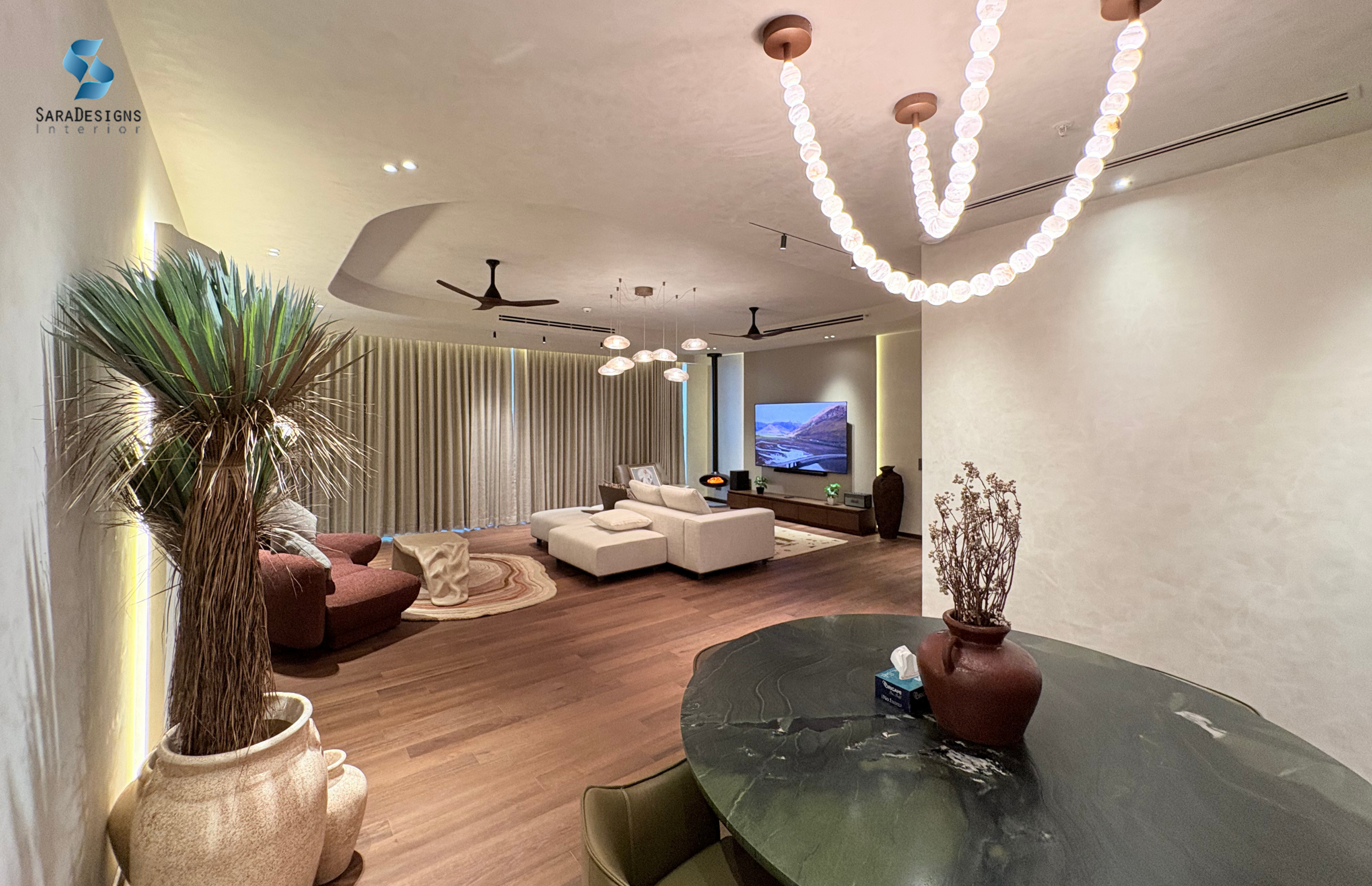
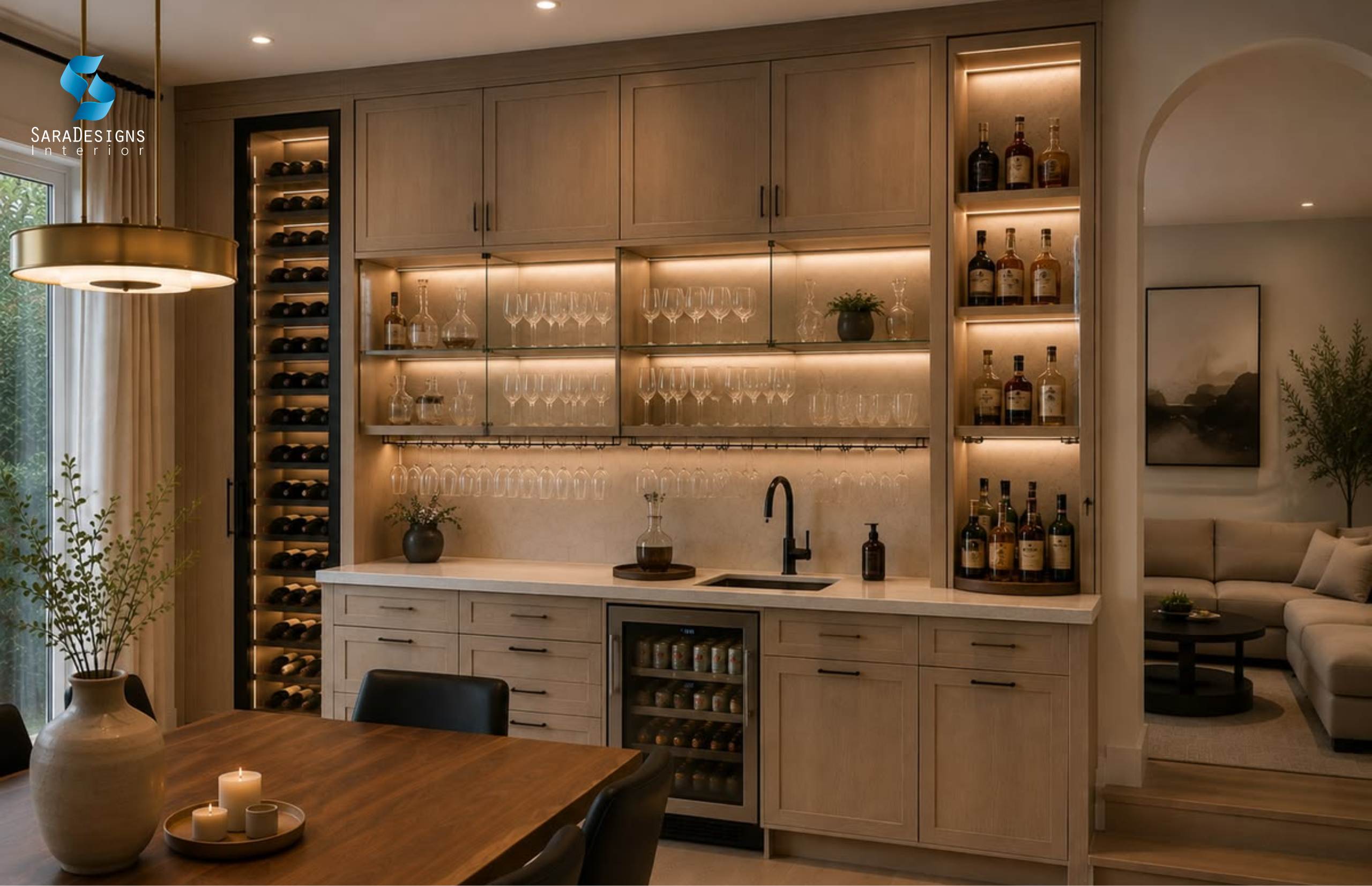
Creating stylish and comfortable interiors does not always require a huge budget. The secret behind beautiful and practical homes lies in selecting the right materials for the right spaces. From laminates and plywood to lighting, flooring, and wall finishes, every choice directly affects the final look, durability, and overall cost of your home.
Material Selection Checklist
Today, many homeowners want modern and luxurious interiors while still keeping the project budget under control. This is where smart planning and careful material selection become important. A well-planned approach helps you achieve elegant Home Interior Designs without unnecessary expenses.
Whether you are planning a new apartment, villa, or independent home, this smart checklist will help you make better decisions for budget-friendly and functional interiors. If you are searching for an Interior Designer in Gurgaon or looking for expert guidance for Luxury Interior Designs, understanding material selection is the first step toward creating a beautiful home.
Why Material Selection Is Important in Home Interior Designs
Material selection plays a major role in both the appearance and budget of any interior project. Every element inside your home comes in different quality levels and price ranges. Even small upgrades in finishes, hardware, or panels can increase the total project cost when used across the entire house.
For example, selecting premium veneers, designer lighting, or imported marble for every room can quickly exceed the planned budget. On the other hand, choosing smart combinations of affordable and premium materials helps create balanced and elegant Home Interior Designs.
Professional Interior Designers in Gurgaon like Sara Designs often recommend spending more on important and high-usage areas while choosing practical materials for less visible spaces. This approach creates a premium look without overspending.

Step-by-Step Interior Material Selection Checklist
1. Plan Your Interior Budget Properly
Before selecting any material, divide your budget into categories. This helps maintain financial balance throughout the project and prevents overspending in one area.
Here is a simple budget allocation idea for modern Home Interior Designs:
Category | Suggested Budget Allocation |
Modular Kitchen & Wardrobes | 45–50% |
Furniture & Seating | 15–20% |
Lighting Fixtures | 8–10% |
False Ceiling & Wall Design | 10–12% |
Home Decor & Accessories | 5–8% |
Emergency Buffer | 8–10% |
Budget planning helps homeowners avoid unnecessary upgrades later during execution.
2. Prioritize High-Impact Areas
Some areas of the home naturally attract more attention and should receive better materials and finishes. Spaces like the living room, modular kitchen, entrance area, and master bedroom create the strongest visual impact.
Instead of spending heavily on every single area, focus on premium finishes in important spaces and use budget-friendly materials in hidden or low-usage areas.
For example:
- Use premium laminates or veneer for TV Unit Designs
- Select durable countertops for Modular Kitchen Interior
- Use practical laminates inside wardrobes and storage sections
This balance helps achieve Luxury Interior Designs while maintaining the budget.
3. Compare Material Quality Instead of Only Brands
Many homeowners assume expensive brands automatically mean better quality. However, material specifications are often more important than brand names.
Before finalising materials, compare:
- Thickness
- Water resistance
- Scratch resistance
- Durability
- Finish quality
- Warranty
For example, good-quality plywood with proper thickness can perform much better than expensive low-grade alternatives. Smart Home Interior Designs focus on both aesthetics and functionality.
4. Always Ask for Written Material Specifications
One of the most common mistakes in interior projects is finalising materials verbally without documentation.
A detailed material specification sheet should include:
- Material type
- Brand name
- Thickness
- Finish
- Color code
- Hardware details
- Installation method
This prevents confusion and ensures that the same materials are used during execution. Trusted Interior Designers in Gurgaon usually provide complete documentation before starting the project.
5. Choose Easy-to-Maintain Materials
Luxury interiors should also be practical for everyday use. Some materials may look beautiful initially but become difficult to maintain later.
For example:
- Matte laminates show fewer fingerprints than glossy finishes
- Quartz countertops are easier to maintain than marble
- Large-format tiles reduce grout cleaning
Selecting durable and low-maintenance materials helps your Home Interior Designs stay fresh and stylish for years.
6. Avoid Over-Customisation
Custom-made furniture and highly detailed designs can increase costs due to additional labour and material wastage.
Instead:
- Use modular furniture where possible
- Choose standard wardrobe sizes
- Use ready-made hardware systems
A combination of customised and modular interiors creates stylish spaces without increasing the project budget unnecessarily.
7. Invest in Good Hardware Quality
Hardware components like hinges, drawer channels, sliding systems, and handles are extremely important for durability.
Poor-quality hardware can lead to:
- Frequent repairs
- Difficult drawer movement
- Cabinet damage
- Reduced furniture life
Always check:
- Brand
- Warranty
- Soft-close systems
- Rust resistance
Good hardware improves the functionality and lifespan of modern Home Interior Designs.
8. Understand Finish Upgrade Costs
Finish upgrades can significantly impact the total budget. Many homeowners upgrade materials without understanding how much the cost increases.
Here’s a simple comparison:
Standard Option | Premium Upgrade | Approximate Cost Increase |
Laminate | Acrylic Finish | 30–40% Higher |
Laminate | Veneer Finish | 40–60% Higher |
Basic Wardrobe | Glass Shutters | 35–50% Higher |
Standard TV Unit | PU Paint Finish | 25–45% Higher |
Regular Lighting | Designer Lighting | 40–70% Higher |
Instead of upgrading every area, selectively upgrade feature spaces to maintain a balanced budget.
9. Focus on Long-Term Value
Choosing the cheapest material may save money initially but can increase repair and replacement costs later.
For example:
- Moisture-resistant boards perform better in kitchens and bathrooms
- Durable laminates last longer in high-usage spaces
- Quality flooring reduces maintenance expenses
Experienced Interior Designers in Gurgaon often recommend materials based on long-term durability rather than only initial cost.

Common Mistakes Homeowners Should Avoid
Here are some common mistakes that increase interior costs unnecessarily:
- Choosing premium materials for every room
- Changing designs during execution
- Ignoring maintenance requirements
- Not comparing multiple quotations
- Finalising interiors without material specifications
- Following trends without checking practicality
Avoiding these mistakes helps create better and more budget-friendly Home Interior Designs.
Smart Ways to Save Money on Interior Materials
Here are some practical ways to reduce interior costs while maintaining a premium appearance:
- Mix luxury finishes with affordable laminates
- Select locally available materials
- Finalise materials early
- Reuse existing furniture wherever possible
- Prioritize functionality over excessive decoration
- Use standard-sized furniture to reduce wastage
These small decisions help create stylish and practical Luxury Interior Designs within budget.
Interior Material Comparison Guide
Material | Best For | Budget Level | Durability | Maintenance |
Laminate | Wardrobes & Kitchens | Budget-Friendly | High | Low |
Acrylic | Modular Kitchen Interior | Medium–High | High | Moderate |
Veneer | Luxury Furniture | Premium | Moderate–High | Moderate |
PU Paint Finish | Premium Panels & TV Units | Premium | High | Moderate |
Membrane Finish | Budget Kitchens | Budget–Medium | Moderate | Low |
Glass Shutters | Display Units | Medium–High | High | Moderate |
Solid Wood | Luxury Furniture | High-End | Very High | High |
How an Interior Designer in Gurgaon Helps Manage Budget Better
Working with an experienced Interior Designer in Gurgaon helps homeowners avoid costly mistakes during planning and execution. Professional designers help with:
- Smart space planning
- Material comparison
- Budget management
- Vendor coordination
- Functional layouts
- Luxury Interior Designs within budget
A professional approach ensures your Home Interior Designs remain stylish, functional, and financially practical.
Conclusion
Smart material selection is one of the most important parts of any interior project. The right materials help create beautiful, durable, and functional spaces while keeping costs under control.
Instead of choosing expensive finishes everywhere, focus on thoughtful planning, practical upgrades, and durable materials that truly add value to your home. A balanced approach helps homeowners achieve modern Home Interior Designs that look elegant without overspending.
Whether you are designing a new apartment or renovating your current home, careful planning and smart material choices can help you create stunning Luxury Interior Designs that perfectly match your lifestyle and budget.
FAQ
1. How can I select interior materials without increasing my home interior budget?
- Start with a fixed budget for each area like Modular Kitchen Interior, wardrobes, flooring, and lighting.
- Compare different material options before finalising finishes and hardware.
- Use premium materials only in important visible areas like the living room or TV unit.
- Choose standard-sized furniture and easily available materials to reduce customisation costs.
- Work with an experienced Interior Designer in Gurgaon to avoid unnecessary spending.
2. Which interior materials usually increase the project cost the most?
- Premium veneers, marble, and solid wood materials are usually expensive.
- Acrylic finishes, PU paint, and glass wardrobes can increase furniture costs.
- Designer lighting, imported tiles, and decorative wall panels add to the budget.
- Custom-made furniture and luxury hardware also increase overall Home Interior Designs costs.
- Smart home automation systems can significantly raise the final project amount.
3. Which is better for Home Interior Designs: laminate, acrylic, or PU finish?
- Laminate Finish: Budget-friendly, durable, and easy to maintain for wardrobes and kitchens.
- Acrylic Finish: Gives a glossy premium look and is popular in modern Modular Kitchen Interior designs.
- PU Finish: Luxury finish with a smooth appearance, mostly used for premium furniture and feature panels.
- Laminates are best for practical and affordable interiors, while PU and acrylic work well for Luxury Interior Designs.
4. What should be included in an interior material checklist?
- Material type and finish
- Brand details
- Thickness and dimensions
- Application area
- Color codes
- Hardware specifications
- Warranty details
- Quantity required
- Installation method
- Maintenance requirements
5. How can homeowners avoid hidden costs during interior work?
- Ask for detailed quotations instead of lump-sum pricing.
- Confirm whether hardware, fittings, and accessories are included.
- Check if transportation, polishing, and installation charges are part of the cost.
- Finalise materials before execution to avoid last-minute upgrades.
- Compare multiple quotations before selecting an Interior Designer near me.
6. What are the most common material selection mistakes in Home Interior Designs?
- Choosing materials only based on appearance without checking durability.
- Ignoring long-term maintenance costs of delicate finishes.
- Spending too much on decorative materials in every room.
- Not checking actual material samples before approval.
- Selecting trendy finishes that may not be practical for daily use.
7. How does a material checklist help control interior costs?
- It helps track all materials and their costs before execution starts.
- Prevents unnecessary upgrades during the project.
- Makes it easier to compare different material options within budget.
- Reduces material wastage and over-ordering.
- Creates better transparency between homeowners and Interior Designers in Gurgaon.
Related Posts

- saraD
- September 11, 2025
Wooden Kitchen Rack Designs: Efficient Kitchen Storage for Every Home
The kitchen is more than just a cooking space—it’s where families gather, conversations flo ..

- saraD
- March 17, 2026
Here’s How to Pick Bathroom Tiles Like a Pro: A Guide Every First-Time Renovator Needs
Choosing Bathroom Tiles for the first time can feel confusing—but it doesn’t have to be. Wi ..