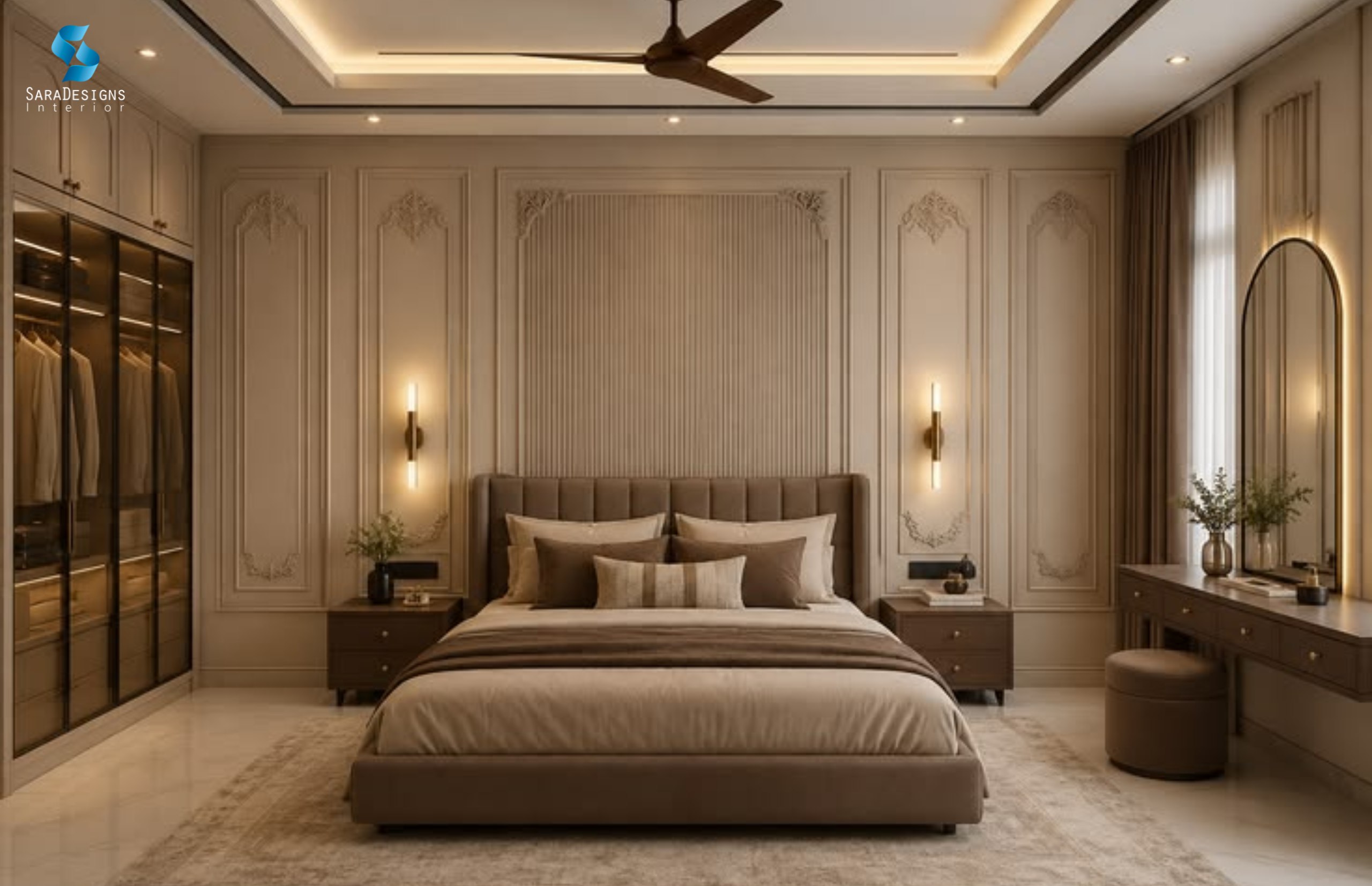
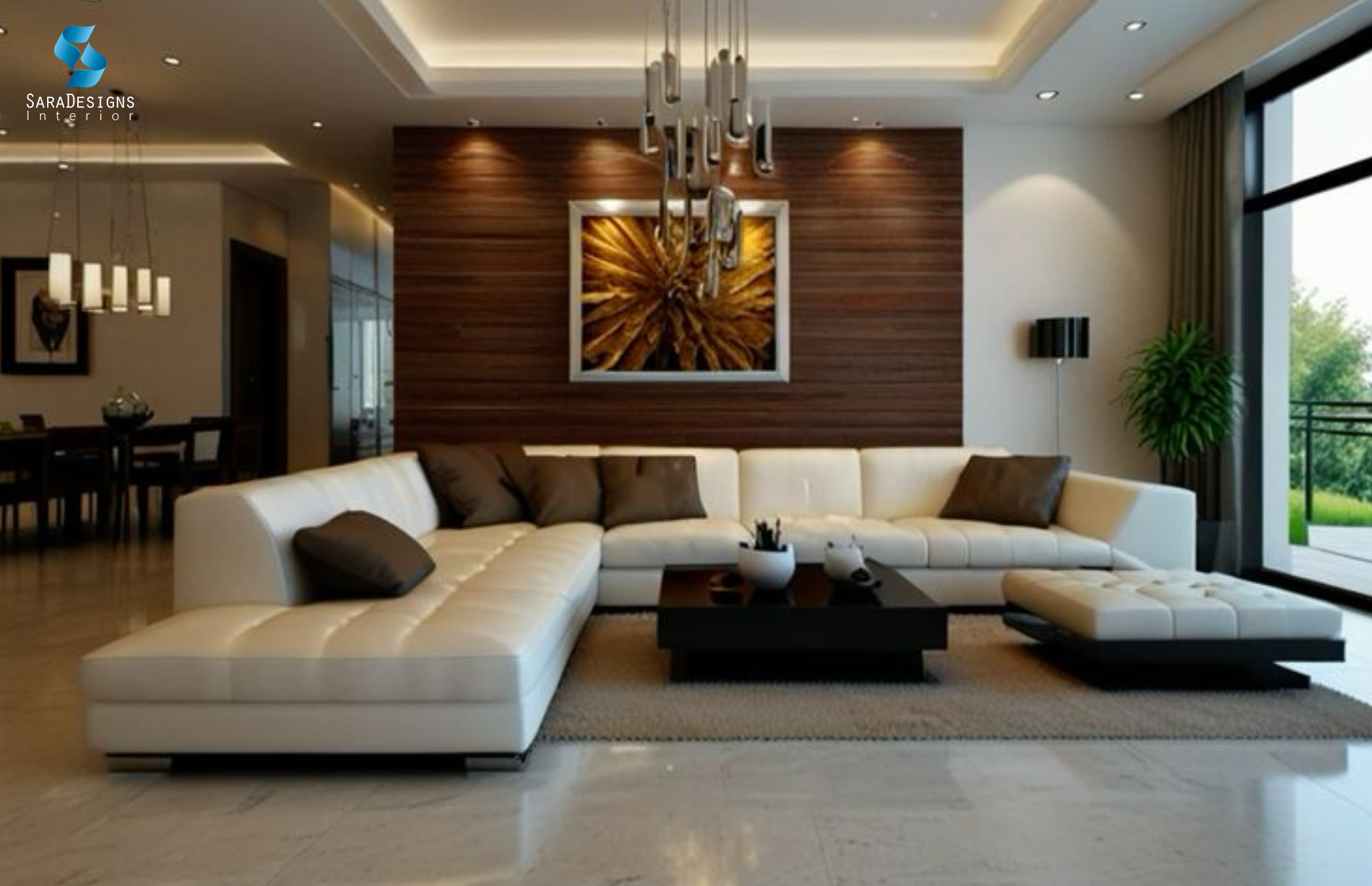
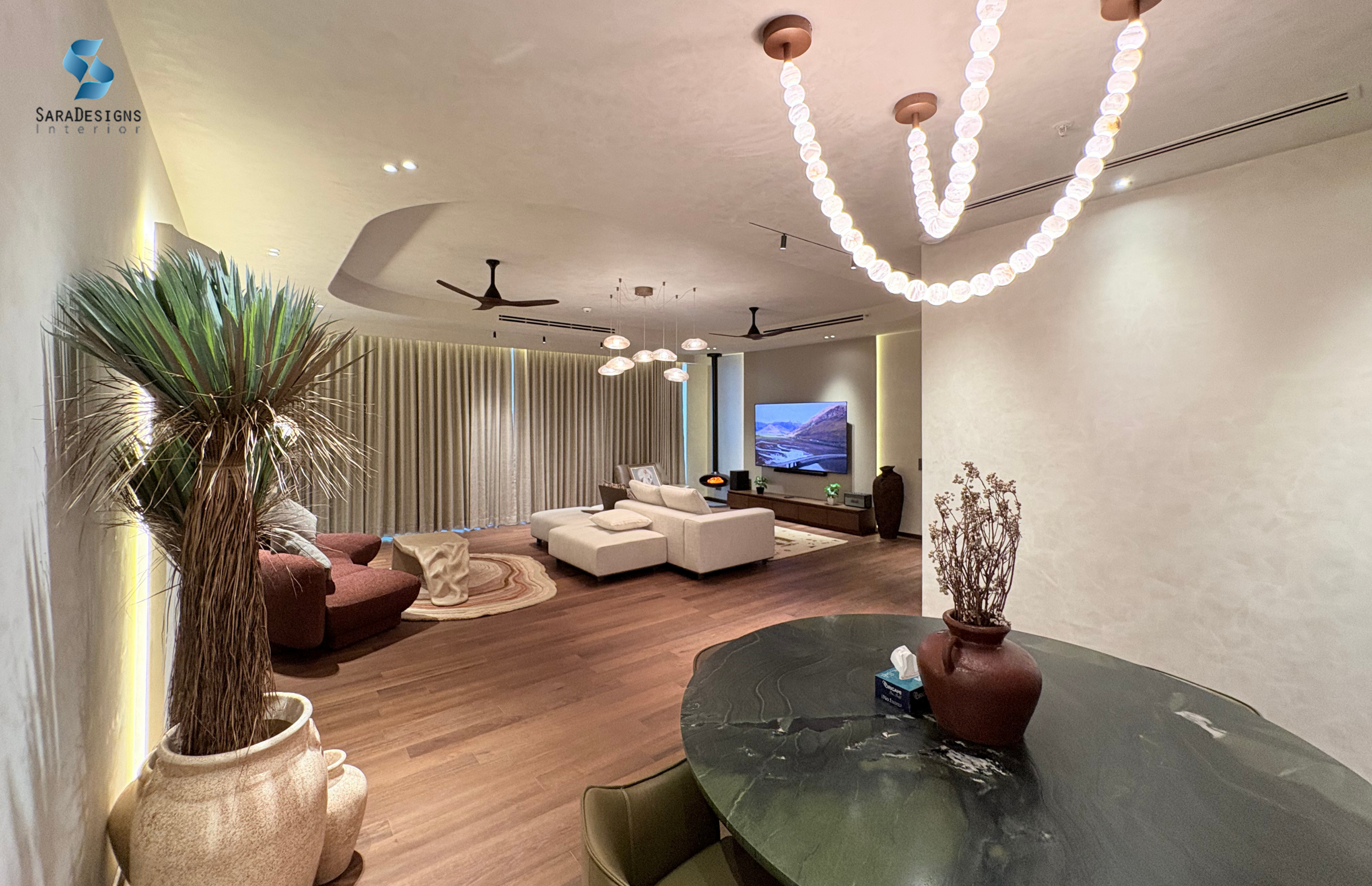
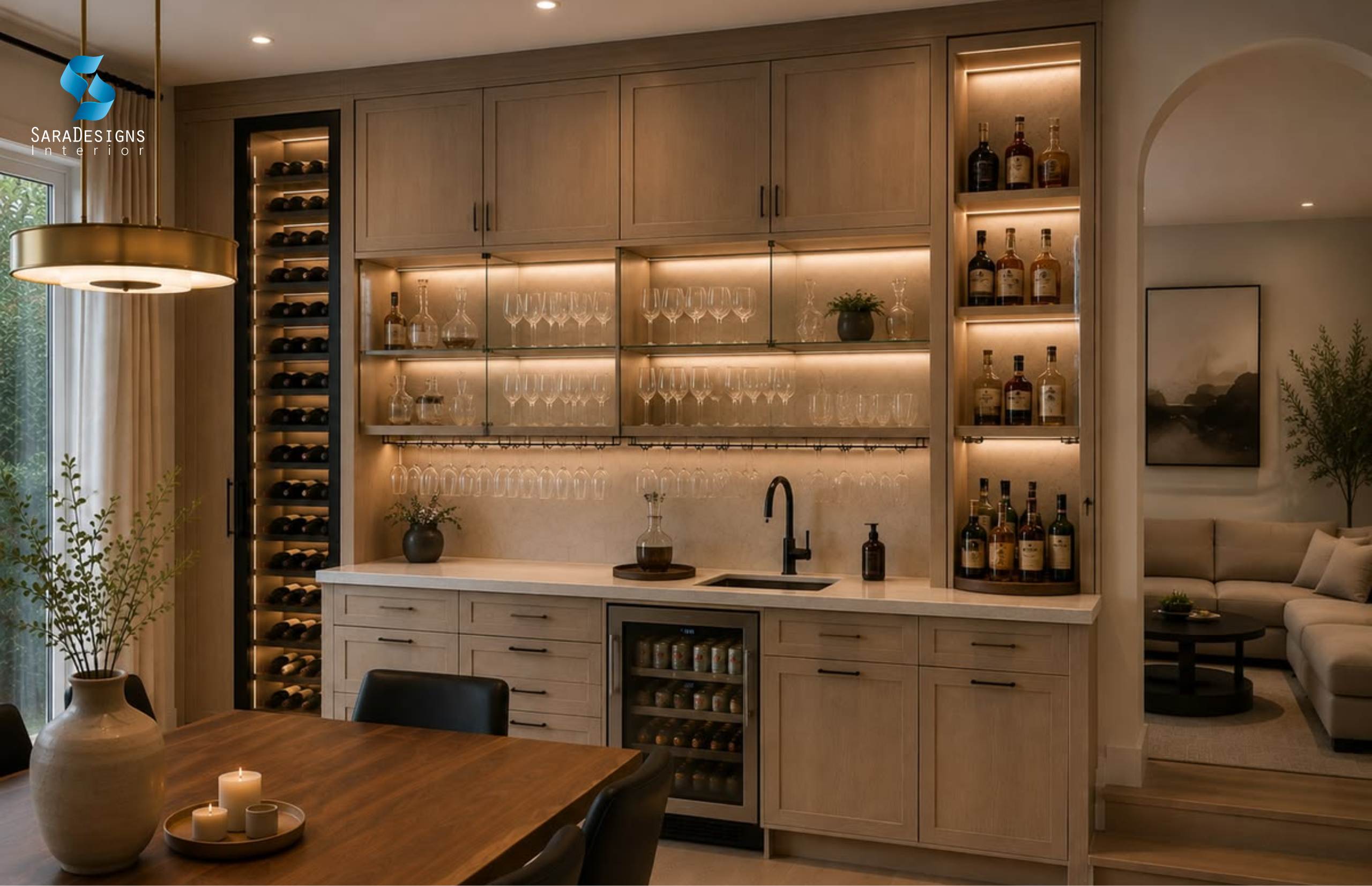
Architecture in interior design is often underestimated, yet it quietly defines how every home looks, feels, and functions. Before furniture, colours, or décor come into play, the architectural framework sets the stage for everything that follows. From wall placements and ceiling heights to natural light and structural elements, architecture influences every design decision in ways most homeowners don’t initially realise.
For homeowners working with Interior Designers in Gurgaon, understanding this connection becomes even more important. It is this synergy that transforms ordinary spaces into thoughtfully designed homes.
Architecture in Interior Design: The Foundation of Every Beautiful Home
Architecture is not just about constructing walls and roofs—it is about shaping the very experience of living within a space. It defines the physical boundaries, proportions, and structural logic of a home.
A Home Interior designer in Gurgaon works within this architectural framework to create spaces that are not only visually appealing but also practical and comfortable.
While these two disciplines are often viewed separately, they are deeply interconnected. Every architectural decision—whether it’s the placement of a window or the height of a ceiling—directly impacts how interiors can be designed later. This is why experienced Interior Designers in Gurgaon always study architectural drawings before beginning any project.

How Architecture Influences Interior Design
1. Space Planning & Layout
A well-designed home always starts with smart space planning—and that begins at the architectural stage.
Structural walls, columns, and core areas define how spaces can be divided and used. Unlike partition walls, these elements cannot be easily altered. Their placement determines how rooms flow into each other and how functional each zone becomes.
Leading Interior Designers in Gurgaon use these structural cues to create layouts that feel natural and effortless, avoiding forced arrangements or cluttered spaces.
2. Natural Light & Ventilation
One of the most powerful elements in any home is natural light—and it is entirely controlled by architecture.
The size, placement, and orientation of windows determine how sunlight enters a space. A well-lit room feels open, positive, and inviting, while poorly planned lighting can make even a luxurious interior feel dull.
A skilled Home Interior designer in Gurgaon enhances these natural light patterns using materials, finishes, and layouts that maximise brightness and comfort.
3. Structural Elements & Limitations
Beams, columns, and slabs are essential parts of a building—but they also influence interior possibilities.
A beam cutting across a ceiling may restrict lighting design. A column in the living room may interrupt furniture placement. Even minor structural offsets can affect wardrobes, storage units, or kitchen layouts.
Experienced Interior Designers in Gurgaon know how to work around these challenges creatively—turning structural constraints into design opportunities.
4. Ceiling Heights & Spatial Experience
Ceiling height plays a huge role in how a space feels.
Lower ceilings create a sense of warmth and intimacy, making them ideal for bedrooms or cosy corners. Higher ceilings, on the other hand, create openness and grandeur, perfect for living rooms or entrance areas.
A professional Home Interior designer in Gurgaon carefully selects lighting, furniture scale, and décor elements that complement the architectural volume of each space.

Architecture & Interior Design: Key Differences
Understanding the difference between architecture and interior design helps homeowners know who to involve and when during a project.
Aspect | Architecture | Interior Design |
Primary Focus | Structure, safety, building shell | Aesthetics, function, human experience |
Scope | Entire building lifecycle | Interior spaces post-construction |
Licensing | Mandatory in most countries | Varies by region |
Key Deliverable | Floor plans, structural drawings | Mood boards, material palettes, 3D renders |
Works With | Civil & MEP engineers | Architects, contractors, vendors |
Timing | Pre-construction phase | Post-structure or concurrent |
Structural Changes | Yes — walls, slabs, beams | Limited to non-load-bearing elements |

Why Collaboration Between Architecture and Interior Design is Essential
Homes that feel seamless and well-designed are rarely the result of isolated decisions—they are the outcome of collaboration.
When architects and Interior Designers in Gurgaon work together early:
- Lighting plans align with ceiling structures
- Furniture layouts are considered during construction
- Storage solutions are integrated into the architecture
- Electrical and plumbing points match interior needs
A trusted Home Interior designer in Gurgaon ensures that every detail is aligned, reducing costly changes later.

The Role of Interior Architecture
Interior architecture bridges the gap between structure and design.
It allows professionals to modify layouts, adjust spatial flow, and enhance usability within an existing structure. This is especially important in renovation projects handled by Interior Designers in Gurgaon, where adapting the existing layout is key to achieving modern functionality.
Why Architecture Matters in Everyday Interior Elements
1. Kitchens
Kitchen design depends heavily on architectural planning. Plumbing points, ventilation, and structural openings define the layout. A well-coordinated approach by a Home Interior designer in Gurgaon ensures functionality and efficiency.
2. Storage & Wardrobes
Wardrobe designs are influenced by beam placements and wall dimensions. Expert Interior Designers in Gurgaon maximise storage without compromising aesthetics.
3. Living Rooms
Living room layouts depend on entry points, windows, and structural elements. A thoughtful approach ensures balance and comfort.
4. Bathrooms
Bathrooms are architecture-driven spaces where drainage, slopes, and plumbing are fixed early. A skilled Home Interior designer in Gurgaon works within these constraints to deliver practical and elegant solutions.

Common Mistakes When Architecture and Interiors Don’t Align
When architecture and interior design are treated separately, common issues include:
- Misplaced electrical points
- Inefficient lighting layouts
- Poor furniture planning
- Visible ducting and services
- Awkward spatial proportions
This is why experienced Interior Designers in Gurgaon emphasise early planning and coordination.
Benefits of Integrating Architecture and Interior Design
When both disciplines work together, the results are far superior:
- Seamless layouts and better functionality
- Enhanced natural light and ventilation
- Optimised space utilisation
- Cohesive design language
- Reduced project delays and costs
A professional Home Interior designer in Gurgaon ensures that architecture and interiors function as one cohesive system.
Conclusion
Architecture in interior design is not just a background element—it is the foundation of everything.
For homeowners working with Interior Designers in Gurgaon, understanding this relationship can make all the difference between a good home and a truly exceptional one.
When architecture and interior design are planned together, the result is a home that is not only beautiful but also practical, comfortable, and perfectly aligned with your lifestyle.
FAQs
- What is the role of architecture in interior design?
Architecture defines the structure and layout, while interior design enhances functionality and aesthetics within that space. - Why should I hire Interior Designers in Gurgaon early?
Early involvement ensures better coordination with architectural planning, saving time and cost. - Can a Home Interior designer in Gurgaon change structural elements?
They can modify non-structural elements, but major structural changes require architects or engineers. - Why is architecture important for lighting and ventilation?
Because window placement and orientation are fixed during construction, directly affecting interiors. - What makes Sara Designs different?
Sara Designs focuses on integrating architecture with interiors to create seamless, functional, and elegant homes.
Related Posts

- saraD
- August 19, 2025
Modern Living Room Design Ideas for Style and Comfort
Modern living rooms today are so much more than just four walls with a sofa and TV. They’re s ..
- saraD
- June 14, 2025
Modern Elegance at M3M Golf Estate: A New Benchmark in Interior Design
Located in one of Gurgaon’s most prestigious addresses, M3M Golf Estate stands as a symbol of ..