A home can have beautiful furniture, stylish lighting, and premium finishes—and still feel uncomfortable to live in. If something feels slightly “wrong” even when everything looks perfect, the problem is usually not decoration. It is the layout.
This is where space planning in interior design plays a powerful role. Before colours, fabrics, or furniture are selected, designers first study how a space will function. The goal is simple: make every inch useful, comfortable, and visually balanced.
Space Planning in Interior Design
Understanding the art of space planning helps homeowners create interiors that feel effortless, organised, and truly enjoyable to live in. When done correctly, even compact homes feel spacious and well-structured. That’s why every experienced Interior designer in Gurgaon begins the process with layout planning before moving toward finishes and styling decisions.
What Is Space Planning in Interior Design?

Space planning is the process of organising furniture, circulation paths, and activity zones inside a room so that the space supports daily living comfortably and efficiently.
In simple words, it answers questions like:
- Where should furniture be placed?
- How much walking space is needed?
- Which areas should remain open?
- How can storage be added without crowding the room?
Good interior design space planning ensures:
- Smooth movement throughout the room
- Balanced furniture placement
- Comfortable proportions
- Proper use of available space
Interior design is not just about making a room look beautiful—it is about making it work better for the people living in it. This is why a professional Interior designer in Gurgaon always begins with layout strategy before decor selections.
Why Space Planning Matters More Than Decoration

Many homeowners begin their interior journey by selecting colours or furniture. However, professionals always begin with layout planning first.
Why?
Because decoration improves appearance, but layout improves living experience.
For example:
- A sofa placed incorrectly can block movement
- A dining table that is too large can restrict circulation
- A poorly positioned bed can reduce comfort
- Lack of zoning can make open spaces feel confusing
When layout planning is done right, the entire home feels organised naturally without effort. An experienced Interior designer in Gurgaon ensures that every zone inside the home supports everyday comfort.
Key Principles Designers Follow While Planning a Space

Professional interior designers rely on a few essential principles while planning layouts.
1. Function Comes First
The most important question designers ask is:
“How will this room be used?”
A family living room requires flexible seating, while a formal lounge needs structured arrangement. A child’s bedroom requires storage and open play space, while a guest bedroom focuses on comfort and accessibility.
Every layout begins with purpose, which is why a skilled Interior designer in Gurgaon studies lifestyle requirements carefully before planning furniture placement.
2. Smooth Circulation and Movement
Comfortable homes always have clear walking paths.
Designers usually maintain:
- 30–36 inches walkway clearance in main areas
- Easy access between seating zones
- Unblocked entry and exit routes
This ensures movement feels natural instead of restricted. Thoughtful circulation planning is a key step followed by every professional Interior designer in Gurgaon.
3. Correct Scale and Proportion
Furniture size should match room size.
Oversized furniture makes rooms look crowded, while undersized furniture makes spaces feel empty and disconnected.
Balanced proportions create harmony automatically, which is why a trained Interior designer in Gurgaon evaluates furniture scale before recommending layout arrangements.
4. Smart Zoning Within Rooms
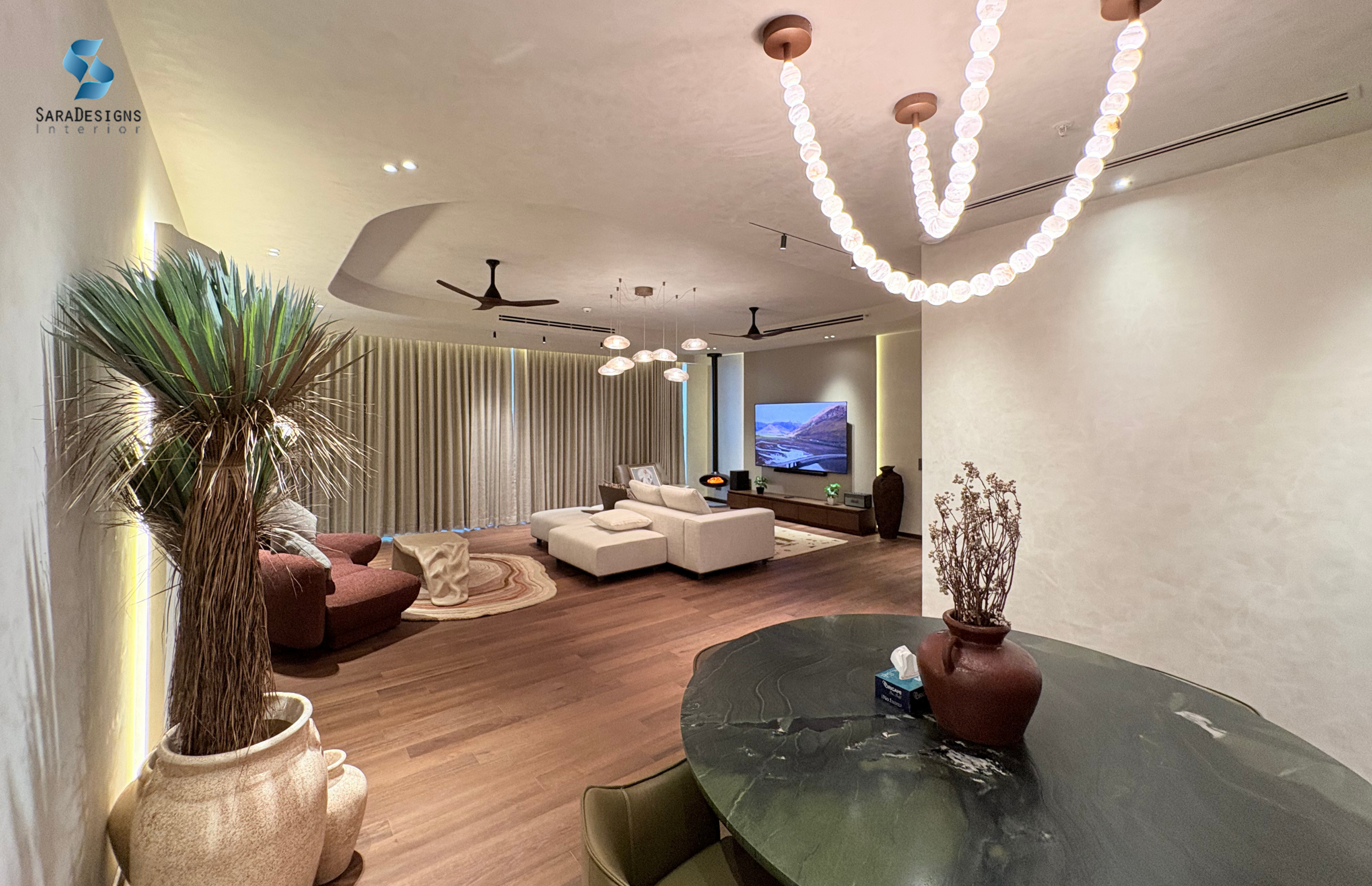
Modern homes often combine multiple activities within one space. Designers divide areas into functional zones such as:
- Seating zone
- Dining zone
- Reading corner
- Work area
Even without walls, zoning improves clarity and usability and helps interiors feel structured yet open.
5. Creating a Strong Focal Point
Every well-planned room highlights something important:
- A TV wall
- A window view
- A feature wall
- Artwork
- A statement light fixture
Furniture placement always supports this focal element. A professional Interior designer in Gurgaon ensures layouts naturally direct attention toward the main visual highlight of the room.
The Step-by-Step Space Planning Process Designers Follow
Interior designers do not randomly place furniture. They follow a structured planning method.
Step 1: Measuring the Space Carefully
Accurate measurements include:
- Wall lengths
- Door locations
- Window placement
- Ceiling height
- Existing structures
Precise measurements prevent layout errors during execution.
Step 2: Understanding Lifestyle Requirements
Designers study how residents actually live.
Questions they consider include:
- How many people use the room?
- Do children need play space?
- Is work-from-home required?
- Are guests frequent?
Layouts are customised accordingly by an experienced Interior designer in Gurgaon to ensure maximum comfort.
Step 3: Creating Multiple Layout Options
Professionals rarely finalise the first idea. Instead, they test several layout variations before selecting the most efficient solution.
This approach improves usability and flexibility inside the home.
Step 4: Planning Circulation Paths First
Movement routes are always decided before placing furniture.
This ensures natural flow inside the room and prevents overcrowding later.
Step 5: Finalising Furniture Placement
Only after confirming functionality do designers select exact furniture sizes and positions. A structured planning process like this helps an Interior designer in Gurgaon create interiors that feel balanced and comfortable.

Standard Spacing Rules Designers Commonly Follow
While every home is unique, some spacing guidelines improve comfort significantly.
Living Room
- Minimum walkway: 36 inches
- Sofa to centre table distance: 14–18 inches
- Ideal TV viewing distance: 1.5–2.5 times screen size
These measurements support comfortable conversation and viewing.
Dining Room
- Clearance behind chairs: 36 inches
- Space per person at table: 24 inches
This ensures easy movement even during gatherings.
Bedroom
- Clearance around bed: 24–30 inches
This makes everyday movement smooth and convenient for residents.
Bathroom
Bathrooms require careful planning due to limited space.
Standard recommendations include:
- Minimum 30 inches clearance in front of fixtures
- At least 15 inches from toilet centre to side wall
- Minimum shower area: 30 × 30 inches
These guidelines ensure usability without crowding.

Common Space Planning Mistakes Homeowners Should Avoid
Even beautiful homes can feel uncomfortable due to small layout mistakes.
Some common issues include:
- Pushing all furniture against walls
- Blocking walking paths
- Choosing oversized sofas for compact rooms
- Ignoring storage requirements
- Overcrowding spaces with decor
Avoiding these mistakes improves both movement and visual balance in interiors.
How Interior Designers Plan Space Layouts Before Selecting Furniture
One of the biggest misconceptions homeowners have is that interior design begins with choosing furniture. In reality, experienced professionals always start with space planning layouts first. A well-planned layout ensures comfort, movement, functionality, and visual balance long before sofas, beds, or wardrobes are selected.
At Sara Designs Interior, thoughtful layout planning is the foundation of every successful residential and commercial project.
Let’s understand how experts approach space planning before finalising furniture choices.
How Experts Plan Interior Space Layouts
Professional designers never begin with decor shopping. Instead, they study how the space will function on a daily basis and then develop layout strategies accordingly.
Common layout planning methods include:
- Accurate scaled floor drawings
- Hand-sketched layout concepts on grid sheets
- Digital 2D planning software
- Advanced 3D visualisation tools
These layout studies help determine:
- Seating arrangements
- Placement of focal elements
- Movement pathways inside the room
- Functional activity zones
Furniture selection always comes after layout decisions are finalised—not before. This approach prevents clutter, improves usability, and ensures harmony throughout the space.

Space Planning Strategies for Different Rooms
Every room in a home serves a different purpose, which means each requires a customised planning approach.
Living Rooms
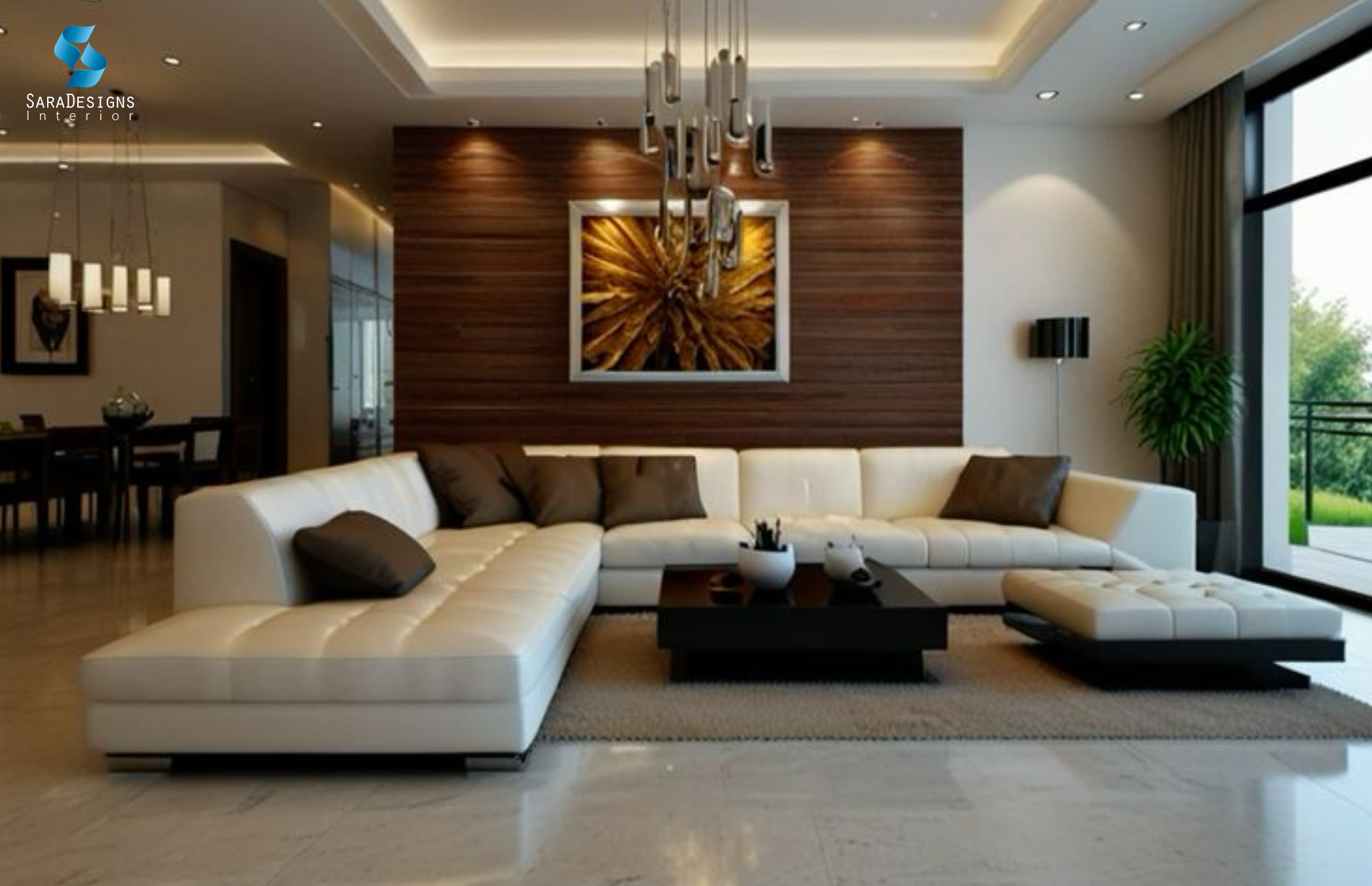
Living rooms are designed to encourage interaction and comfort. Designers usually focus on:
- Conversation-friendly seating layouts
- TV or feature-wall alignment
- Balanced walking space between furniture
- Proper lighting positioning
Bedrooms
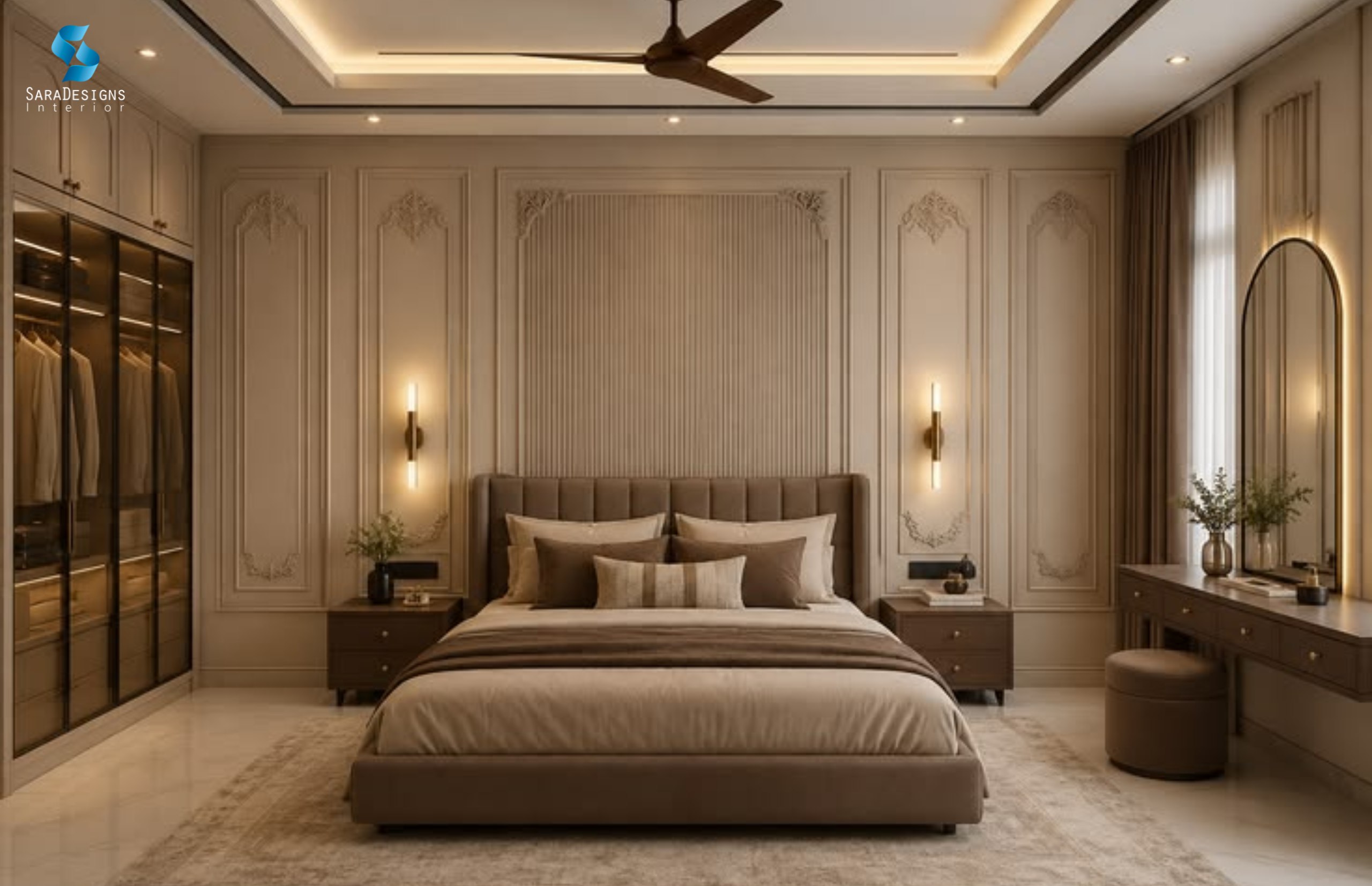
Bedroom layouts prioritise relaxation and ease of movement.
Key planning considerations include:
- Ideal bed placement
- Wardrobe accessibility
- Side-table spacing
- Natural light direction
A well-planned bedroom feels calm, organised, and visually open.
Kitchens
Kitchen space planning follows workflow efficiency principles often called the work triangle concept, connecting:
- Sink
- Stove
- Refrigerator
This improves cooking convenience and reduces unnecessary movement.
Bathrooms
Bathrooms typically have limited square footage, making layout accuracy extremely important.
Designers carefully plan:
- Shower enclosure placement
- Vanity positioning
- Storage niches
- Door swing clearance
Smart bathroom layouts maximise usability even in compact areas.
Home Offices
With remote working becoming more common, home office layouts require thoughtful ergonomic planning.
Professionals consider:
- Desk placement near natural light
- Comfortable chair movement space
- Storage accessibility
- Screen glare reduction
A properly planned workspace improves productivity and comfort.

Open Layout vs Closed Layout: Which One Works Better?
Both planning styles have advantages depending on lifestyle needs.
Open Layout Works Best For
- Social families
- Compact apartments needing visual openness
- Modern living preferences
- Flexible multi-purpose spaces
However, open layouts may require smart planning to control sound movement and maintain privacy.
Closed Layout Works Best For
- Families needing privacy between rooms
- Noise-sensitive environments
- Traditional planning preferences
- Clearly defined room functions
Choosing between open and closed layouts depends more on lifestyle than design trends.

Tools Designers Use for Space Planning
Interior designers combine traditional measurement methods with modern digital technology to create precise layouts.
Traditional Tools
- Measuring tapes
- Scale rulers
- Graph sheets
- Layout templates
Digital Tools
- Floor planning software
- 3D visualisation platforms
- Augmented reality planners
- Walkthrough simulation tools
These tools help clients clearly understand how their space will look before execution begins.

Why Space Planning Is the Backbone of Interior Design
Beautiful interiors don’t happen by accident. They are the result of careful layout planning that balances functionality with aesthetics.
When space planning is done correctly:
- rooms feel organised
- movement becomes effortless
- storage improves
- lighting works better
- furniture fits naturally
Whether designing a single room or a complete home, layout planning should always come before decoration decisions.
At Sara Designs Interior, our experts create customised layout strategies that help homeowners make the most of every square foot while maintaining elegance and comfort.
Because great interiors are not just about how a space looks—they’re about how a space works.
FAQs
- Is space planning only for large homes?
No. Smaller homes benefit even more from smart space planning because every square foot matters. - Can space planning increase resale value?
Yes. A well-planned layout improves functionality and makes homes more attractive to buyers. - Do I need a professional for space planning?
Simple layouts can be done yourself, but expert guidance helps achieve better flow and long-term results. - What comes first: space planning or decor?
Space planning always comes first. Decor enhances the layout but cannot fix poor planning.
Related Posts

- saraD
- March 12, 2026
Krisumi Waterfall Residences, Sector 36a Gurgaon : Interiors By Sara Designs – Luxury Interior Designer in Gurgaon
Luxury homes deserve interiors that reflect elegance, comfort, and a sophisticated lifestyle. K ..

- saraD
- April 2, 2025
Luxury Interior Design: 10 Expert Tips for Creating a High-End Space
Define Your Luxury Interior Design Style Luxury interior design doesn’t just mean adding expe ..