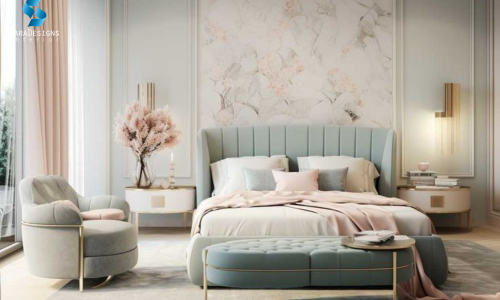
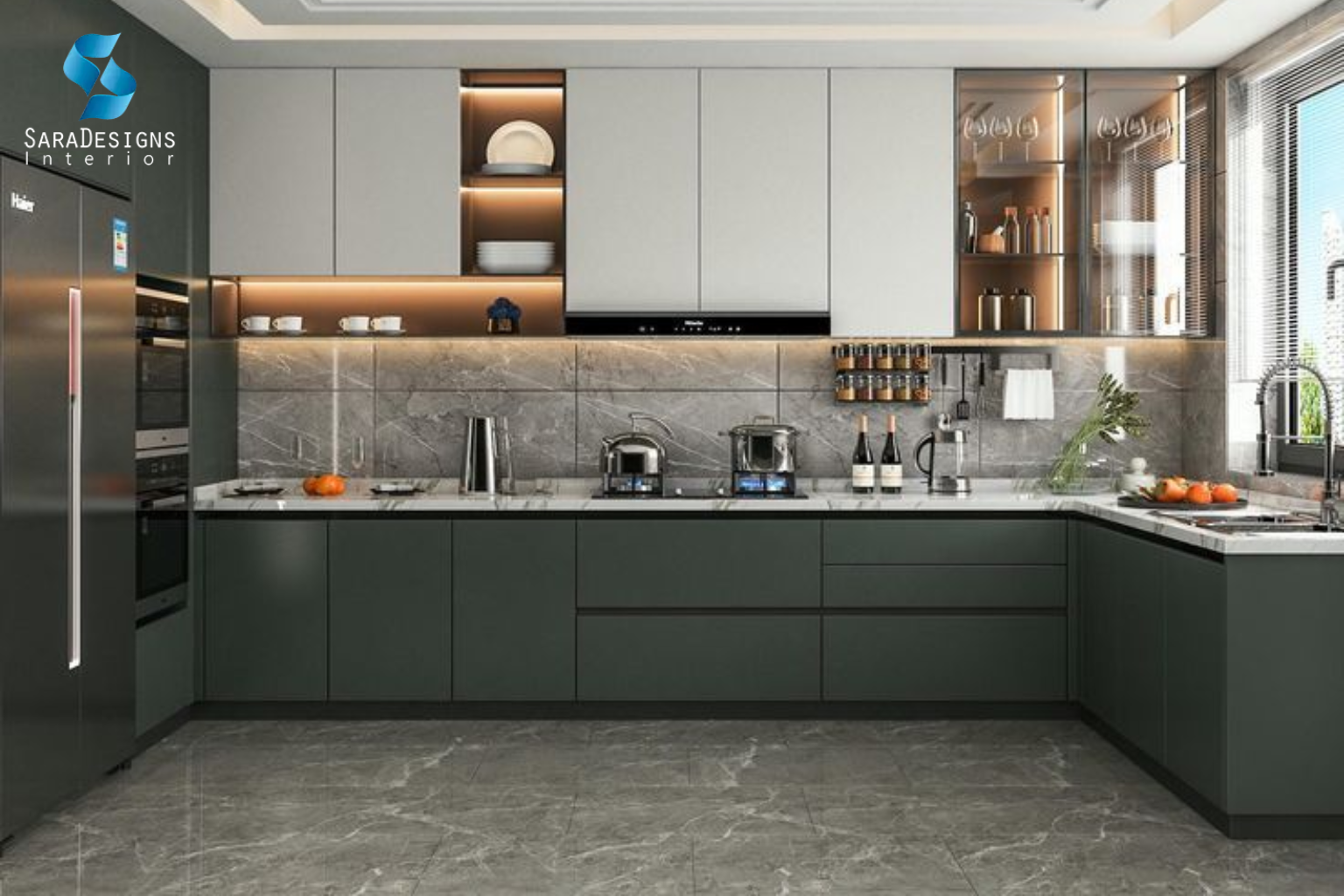
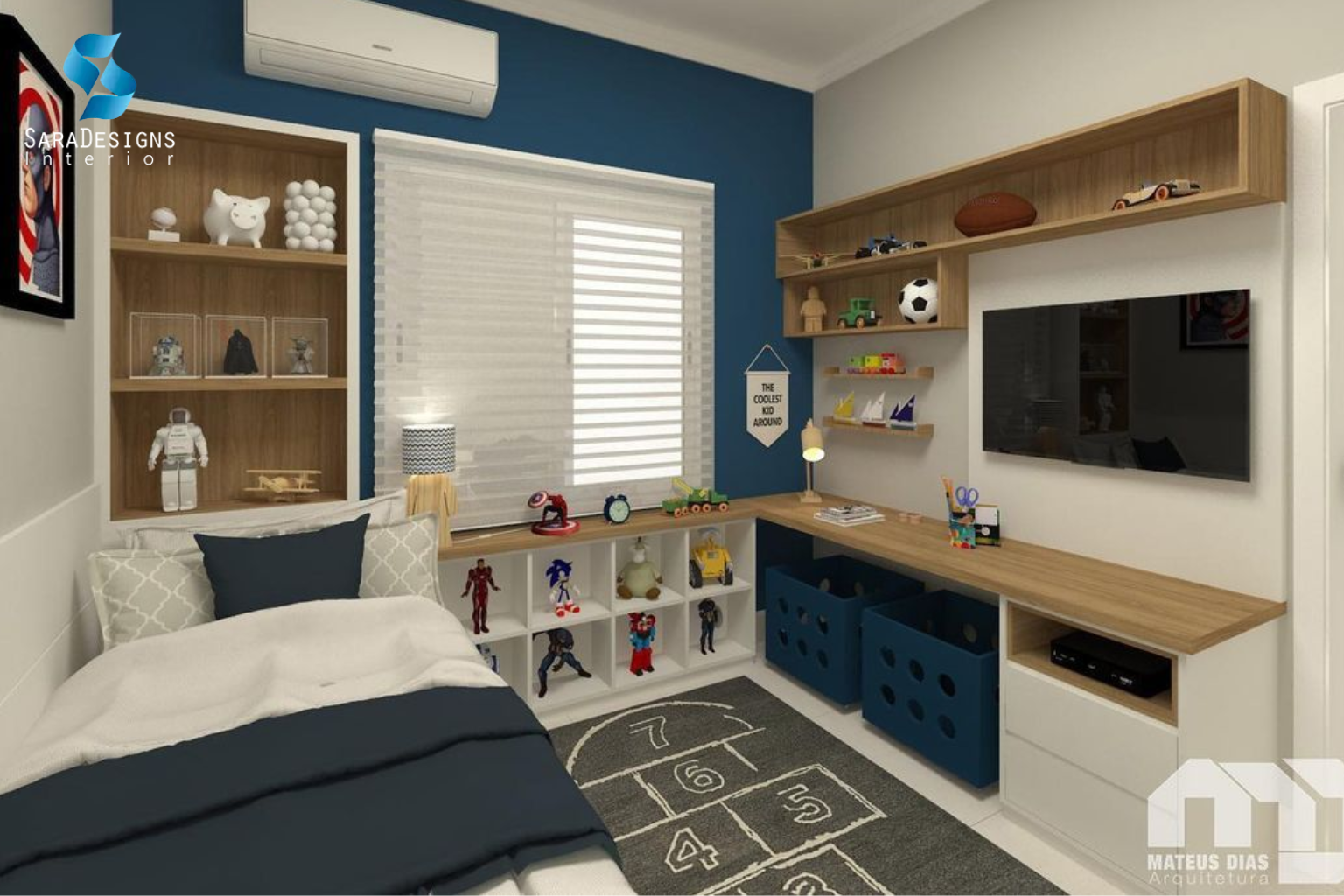
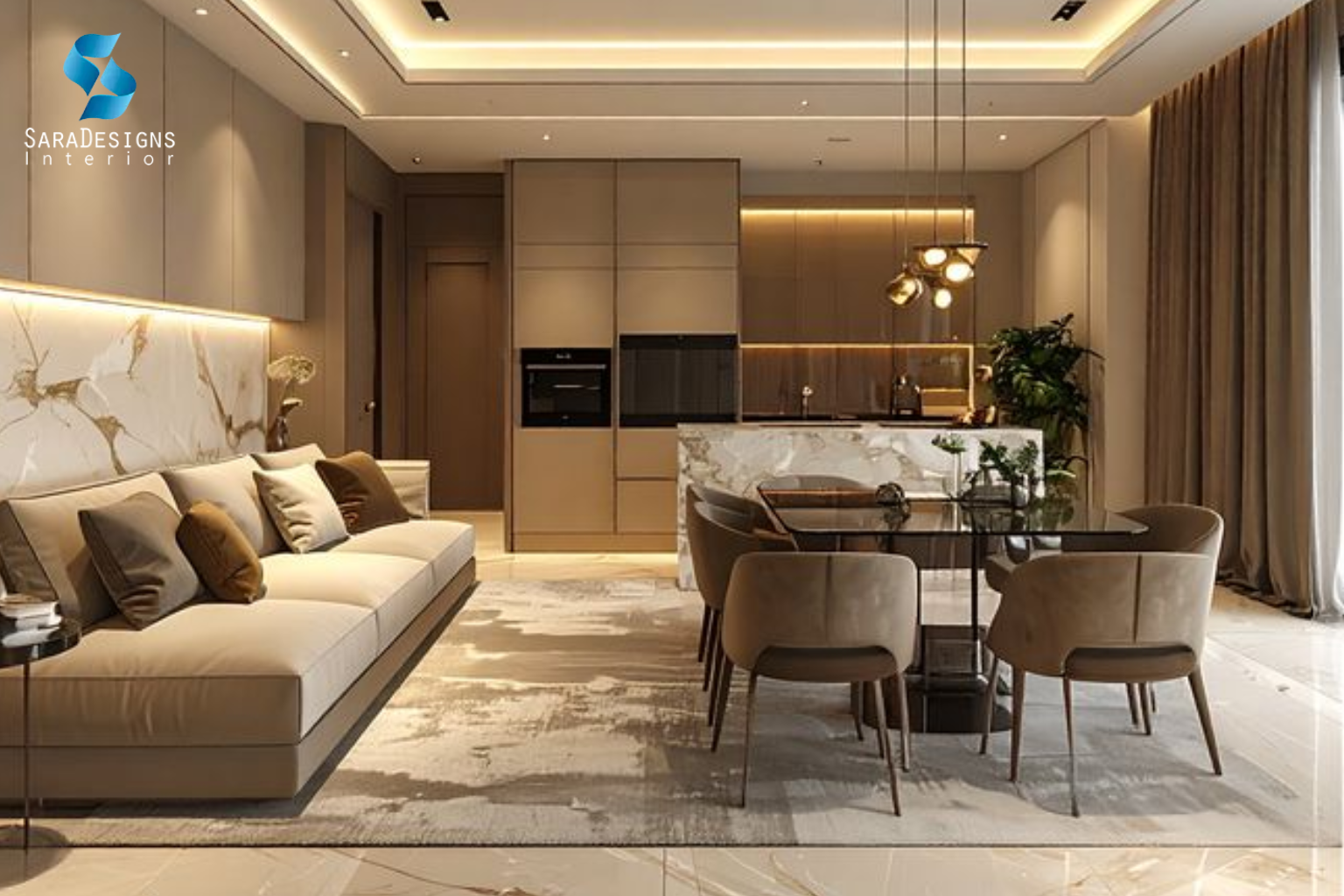
Starting your home interior journey can feel exciting yet overwhelming. With endless choices in colours, textures, furniture, and décor, it’s easy to feel unsure about where to begin. This is where an interior design mood board becomes an essential starting point, helping you bring structure and clarity to your ideas.
Instead of imagining how everything might come together, a moodboard allows you to see your vision clearly before any execution begins. It transforms scattered inspiration into a well-planned design direction.
Read on to understand how moodboards can simplify your interior decisions and elevate your space effortlessly.
What Is an Interior Design Moodboard?
An interior design moodboard is a visual collection that represents the overall look and feel of a space. It combines colours, textures, materials, furniture styles, lighting ideas, and decor inspiration in one place.
An interior design mood board acts like the emotional blueprint of your home. While floor plans focus on measurements and layouts, moodboards focus on the atmosphere you want to create—calm, warm, elegant, bold, or minimal.
Moodboards can be:
Digital, created using tools like Pinterest or Canva
Physical, made with fabric swatches, paint samples, tiles, and finishes
Both formats help you define a clear design direction early in the process.
Why Moodboards Are Important for Interior Design
Designing without a clear visual reference often leads to confusion and mismatched styles. Here’s why moodboards are so important:
Clear Design Vision
A moodboard helps you visualise how colours, furniture, and materials will work together.
Confident Decision-Making
When all options are laid out visually, choosing becomes easier and faster.
Reduced Errors
An interior design mood board helps avoid expensive mistakes by finalising selections early.
Better Communication
It ensures homeowners, designers, and execution teams are aligned on the same vision.
Efficient Planning
Moodboards reduce last-minute changes, saving both time and money.
Types of Moodboards You Can Explore
Moodboards come in different forms, depending on your project needs:
Digital Moodboards
Easy to edit, share, and update—perfect for modern interior projects.
Physical Moodboards
Ideal for those who prefer touching and seeing materials in real lighting.
Style-Based Moodboards
Focused on a specific aesthetic like modern, minimalist, or classic.
Colour-Focused Moodboards
Created to define the tone of a room using a refined colour palette.
The right choice depends on your design goals and working style.
Elements That Make a Moodboard Effective
A well-structured moodboard includes a balance of creativity and practicality:
Colour Palette
Main wall shades, accent colours, and complementary tones.
Materials and Textures
Wood, fabric, metal, stone, glass, and finishes.
Furniture References
Sofas, beds, dining tables, storage units, and key furniture pieces.
Lighting Ideas
Ambient, task, and accent lighting inspirations.
Decor Details
Artwork, rugs, cushions, plants, and accessories.
Together, these elements ensure your space feels cohesive and intentional.
How Interior Designers Use Moodboards
Interior designers rely on moodboards to guide projects from concept to execution. The process typically involves:
Understanding lifestyle needs and preferences
Selecting suitable colours, materials, and furniture styles
Presenting the moodboard for feedback
Refining the design based on discussions
Using the final interior design mood board as a reference during execution
At Sara Designs, moodboards are used to ensure every interior reflects both functionality and personal style while maintaining visual harmony.
5 Simple Tips to Create Your Own Moodboard
You don’t need to be a professional to build a moodboard. Follow these easy steps:
Collect inspiration from magazines or online platforms
Choose 3–5 colours that define your space
Add texture references like fabrics and finishes
Focus on key furniture pieces
Edit and refine to keep it clean
Using an interior design mood board helps you stay focused and avoid unnecessary clutter.
Common Moodboard Mistakes to Avoid
While moodboards are helpful, certain mistakes can reduce their effectiveness:
Adding too many conflicting styles
Ignoring functionality
Overusing colours
Forgetting lighting conditions
Not considering room size
Avoiding these mistakes ensures your interior design mood board remains practical and useful.
Conclusion
Moodboards are powerful tools that bring clarity, confidence, and consistency to interior design. Whether you’re planning a single room or an entire home, a thoughtfully created interior design mood board helps turn ideas into reality with fewer mistakes and better results.
You can design one yourself or work with experts like Sara Designs to translate inspiration into a beautifully executed space. With the right planning, your dream interiors become simpler—and far more rewarding—to achieve.
FAQ
What is an interior design moodboard? A visual tool that showcases colours, materials, furniture, textures, and decor ideas for a space.
Why should I create a moodboard before starting interiors? It helps clarify your vision and avoids expensive design mistakes.
Are moodboards only for designers? No, homeowners can easily create and use moodboards too.
What’s the difference between a moodboard and a floor plan? A floor plan shows layout and dimensions; a moodboard shows style and mood.
Do moodboards help with budgeting? Yes, they help you plan purchases and avoid unnecessary spending.